
Welcome to “From Scotland to the States: Redefining Interior Design – Unveiling the Charms of a Transatlantic Style Journey”
Interior design is an art form that allows us to transform our living spaces into havens of comfort, beauty, and personal expression. In this blog, we embark on a transatlantic style journey, drawing inspiration from the rich heritage of Scottish design and merging it with the contemporary flair of American aesthetics. Join us as we explore the captivating world of interior design, unveiling the charms of this unique fusion.
1. Scottish Heritage:
Scotland’s rich cultural heritage has left an indelible mark on the world of design. From the rugged landscapes of the Highlands to the grand castles and historic estates, Scotland is a treasure trove of inspiration. We delve into the unique elements of Scottish design, such as tartan patterns, traditional textiles like Harris Tweed, and the timeless elegance of Scottish baronial architecture. Discover how to incorporate these elements into your interior design to add a touch of Scottish charm and authenticity to your living spaces.
2. American Contemporary:
The United States is known for its diverse design styles and innovation. From the sleek lines of modern minimalism to the cozy charm of farmhouse aesthetics, American contemporary design offers a myriad of possibilities. We explore the various design movements and iconic American designers that have shaped the landscape of interior design. Learn how to infuse your spaces with the essence of American style, whether it’s through bold color choices, eclectic furnishings, or statement artworks.
3. Fusion and Harmonization:
The true magic lies in the fusion of Scottish and American design elements, creating a harmonious blend that is both captivating and unique. We explore the art of balance, mixing traditional Scottish motifs with contemporary American sensibilities. Discover how to incorporate Scottish tartan patterns into modern upholstery, blend Scottish antiques with sleek American furniture, or create a cozy Highland-inspired reading nook in your contemporary living room. The possibilities are endless, and the result is a space that reflects your personal style while honoring the heritage of both cultures.
4. Materials and Textures:
Materials and textures play a vital role in interior design, adding depth, character, and tactile appeal to our spaces. We delve into the materials that define both Scottish and American design aesthetics. From the warmth of Scottish oak to the rustic charm of reclaimed barn wood, to the eye catching work of stamped concrete, to the luxuriousness of Scottish wool to the versatility of American leather, we explore how these materials can be used to create stunning visual and tactile experiences in your home.
5. Colors and Palettes:
Color has the power to transform a space and evoke certain emotions. We explore the color palettes that resonate with both Scottish and American design aesthetics. From the earthy tones of the Scottish countryside to the vibrant hues of American pop art, we uncover how to use color to create a sense of harmony and visual interest in your interiors. Learn how to balance rich, deep hues with bright, lively tones, and create a color palette that reflects the spirit of your transatlantic design journey.
Conclusion:
“From Scotland to the States: Redefining Interior Design” invites you to embark on a captivating journey that merges the timeless elegance of Scottish design with the contemporary flair of American aesthetics. Discover how to create a harmonious fusion of elements, materials, colors, and textures that reflect your personal style and pay homage to the cultural heritage of both nations. Whether you’re drawn to the rugged charm of the Highlands or the vibrant energy of American cities, this blog offers inspiration, ideas, and practical tips to help you redefine your interior spaces and create a truly unique and captivating home. Join us as we navigate this transatlantic style journey and unlock the charms of a cross-cultural design experience.
- Transforming Interiors: The Role of Foam Insulation in Modern Interior Design
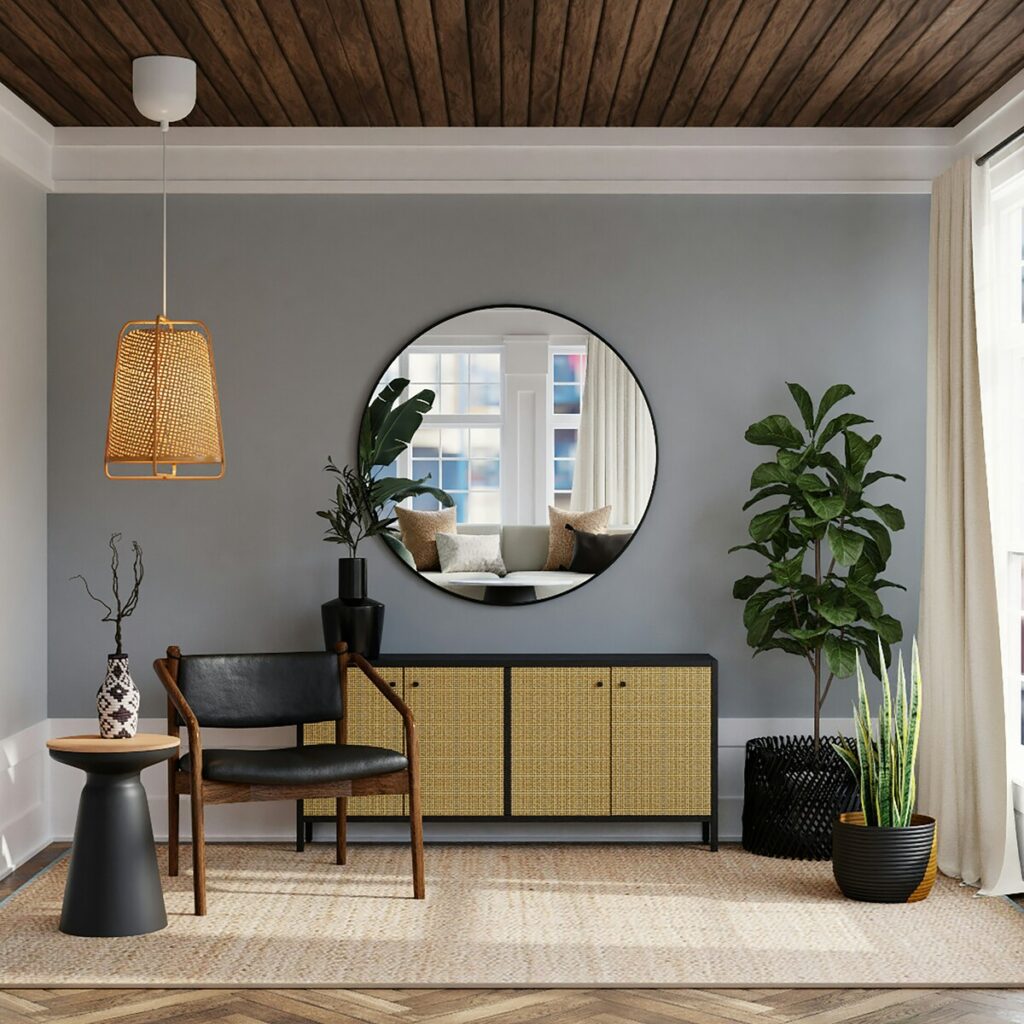
In the realm of interior design, aesthetics and functionality often go hand in hand. While the visual appeal of a space is crucial, ensuring that the environment is comfortable, energy-efficient, and sustainable is equally important. Foam insulation has emerged as a key player in modern interior design, offering a range of benefits that enhance both the beauty and performance of living and working spaces. This blog post explores the impact of foam insulation on interior design, discussing its benefits, applications, and practical tips for integrating this innovative material into your projects.
The Intersection of Interior Design and Insulation
Interior design is about creating spaces that are not only visually pleasing but also comfortable and efficient. Insulation plays a crucial role in this process by regulating temperature, controlling sound, and improving energy efficiency. Foam insulation, in particular, has become a preferred choice for designers and architects due to its superior properties and versatility.
Understanding Foam Insulation
Foam insulation is a high-performance material that expands and hardens after application, providing excellent thermal resistance and air sealing capabilities. It comes in two primary forms: spray foam insulation and rigid foam board insulation.
Spray Foam Insulation
Spray foam insulation is applied as a liquid that expands into a foam, filling gaps and creating an airtight seal. It is available in two varieties:
- Open-Cell Spray Foam: This type is less dense, making it more flexible and effective at soundproofing. It is ideal for interior applications where moisture resistance is not a primary concern.
- Closed-Cell Spray Foam: Denser and more rigid, closed-cell spray foam offers higher R-value and moisture resistance, making it suitable for both interior and exterior applications, particularly in areas prone to high humidity.
Rigid Foam Board Insulation
Rigid foam board insulation consists of pre-formed boards made from materials such as polystyrene, polyisocyanurate, or polyurethane. These boards provide high insulating values and are commonly used in walls, roofs, and foundations to create a continuous insulation layer that minimizes thermal bridging.
Benefits of Foam Insulation in Interior Design
Foam insulation offers numerous benefits that enhance the functionality and aesthetics of interior spaces:
Superior Thermal Comfort
One of the primary benefits of foam insulation is its ability to regulate temperature. By maintaining a stable indoor temperature, foam insulation ensures that spaces remain comfortable year-round, regardless of external weather conditions.
Example: Insulating the walls and roof of a living room with closed-cell spray foam helps keep the interior warm in the winter and cool in the summer, creating a comfortable environment for residents.
Effective Soundproofing
Open-cell spray foam is particularly effective at absorbing sound, making it an excellent choice for interior applications where noise reduction is important. This is especially beneficial in multi-family buildings, offices, and entertainment spaces.
Example: Applying open-cell spray foam insulation to the walls and ceilings of a home theater significantly reduces noise transmission, ensuring an immersive and enjoyable viewing experience.
Enhanced Energy Efficiency
Foam insulation’s high R-value per inch means it provides excellent thermal resistance, reducing the need for heating and cooling and leading to significant energy savings. This is particularly important in modern, energy-efficient home designs.
Example: A home insulated with spray foam experiences lower energy consumption, resulting in reduced utility bills and a smaller environmental footprint.
Moisture Control and Mold Prevention
Closed-cell spray foam insulation acts as a moisture barrier, preventing water infiltration and reducing the risk of mold and mildew growth. This is particularly important in areas with high humidity or significant rainfall.
Example: A bathroom insulated with closed-cell spray foam remains dry and free from mold, ensuring a healthy and comfortable environment.
Applications of Foam Insulation in Interior Design
Foam insulation can be applied in various parts of a building to enhance its performance and aesthetics:
Walls
Both spray foam and rigid foam board insulation can be used in walls to create a well-insulated building envelope. Spray foam is particularly effective in sealing gaps and cracks, while rigid foam boards provide continuous insulation and reduce thermal bridging.
Example: Insulating the walls of a bedroom with open-cell spray foam not only improves thermal comfort but also enhances soundproofing, creating a peaceful and restful space.
Roofs and Attics
Insulating the roof and attic with foam insulation helps maintain consistent temperatures throughout the building and prevents heat loss during winter and heat gain during summer. Spray foam can be applied directly to the underside of the roof deck, creating an airtight seal and enhancing energy efficiency.
Example: An attic converted into a living space with spray foam insulation stays warm in winter and cool in summer, providing a comfortable and usable area year-round.
Basements and Crawl Spaces
Foam insulation is ideal for basements and crawl spaces due to its moisture resistance and ability to create an airtight seal. Closed-cell spray foam is particularly effective in these areas, preventing moisture infiltration and reducing the risk of mold growth.
Example: A basement transformed into a home office or gym with closed-cell spray foam insulation remains dry and comfortable, ensuring a healthy and functional environment.
Decorative Elements
Foam insulation can also be used in creative ways to enhance the aesthetics of a space. For example, rigid foam boards can be cut and shaped to create decorative wall panels or architectural details.
Example: Using rigid foam board insulation to create custom wall panels in a living room adds a unique design element while providing additional insulation benefits.
Practical Tips for Implementing Foam Insulation in Interior Design
To maximize the benefits of foam insulation in interior design projects, it’s important to follow best practices:
Choose the Right Type of Foam
Select the appropriate type of foam insulation based on the specific needs of the project. Open-cell spray foam is ideal for interior applications and soundproofing, while closed-cell spray foam and rigid foam boards are better suited for areas requiring high R-values and moisture resistance.
Tip: Consult with a professional insulation contractor to determine the best type of foam insulation for your project.
Ensure Proper Installation
Proper installation is crucial for maximizing the benefits of foam insulation. Hire experienced and certified installers who understand the intricacies of applying spray foam and installing rigid foam boards.
Tip: Request references and check reviews to find reputable insulation contractors with a proven track record of quality work.
Plan for Ventilation
While foam insulation creates an airtight seal, proper ventilation is still necessary to maintain indoor air quality. Plan for adequate ventilation systems to prevent issues related to air quality and moisture.
Tip: Consider installing mechanical ventilation systems, such as heat recovery ventilators (HRVs), to ensure a healthy indoor environment.
Real-World Examples of Foam Insulation in Interior Design
Modern Apartment Renovation
A modern apartment in New York City was renovated using open-cell spray foam insulation in the walls and ceilings. The transformation resulted in improved thermal comfort, reduced noise levels, and enhanced energy efficiency. The added soundproofing created a quieter living environment, increasing tenant satisfaction and reducing turnover rates.
Luxury Home Theater
A luxury home in Los Angeles incorporated open-cell spray foam insulation into the walls and ceiling of its home theater. The insulation provided superior soundproofing, creating an immersive and enjoyable viewing experience. The thermal insulation also helped maintain a comfortable temperature, enhancing the overall experience.
Eco-Friendly Home Design
An eco-friendly home in Oregon used both open-cell and closed-cell spray foam insulation throughout the building. The insulation provided excellent thermal resistance, reducing energy consumption and supporting the home’s sustainability goals. The moisture resistance of closed-cell spray foam ensured that the home remained dry and free from mold, contributing to a healthy living environment.
Conclusion
Foam insulation is a transformative tool in modern interior design, offering significant improvements in energy efficiency, thermal comfort, and overall aesthetics. Whether used in walls, roofs, basements, or decorative elements, foam insulation provides long-lasting benefits that enhance the performance and appeal of any space. By understanding the different types of foam insulation and following best practices for installation, designers and homeowners can create beautiful, comfortable, and sustainable interiors that stand the test of time. As the demand for high-quality, energy-efficient living spaces continues to grow, foam insulation will play a crucial role in shaping the future of interior design.
- Concrete Elegance: Transforming Interior Design with a Timeless Material
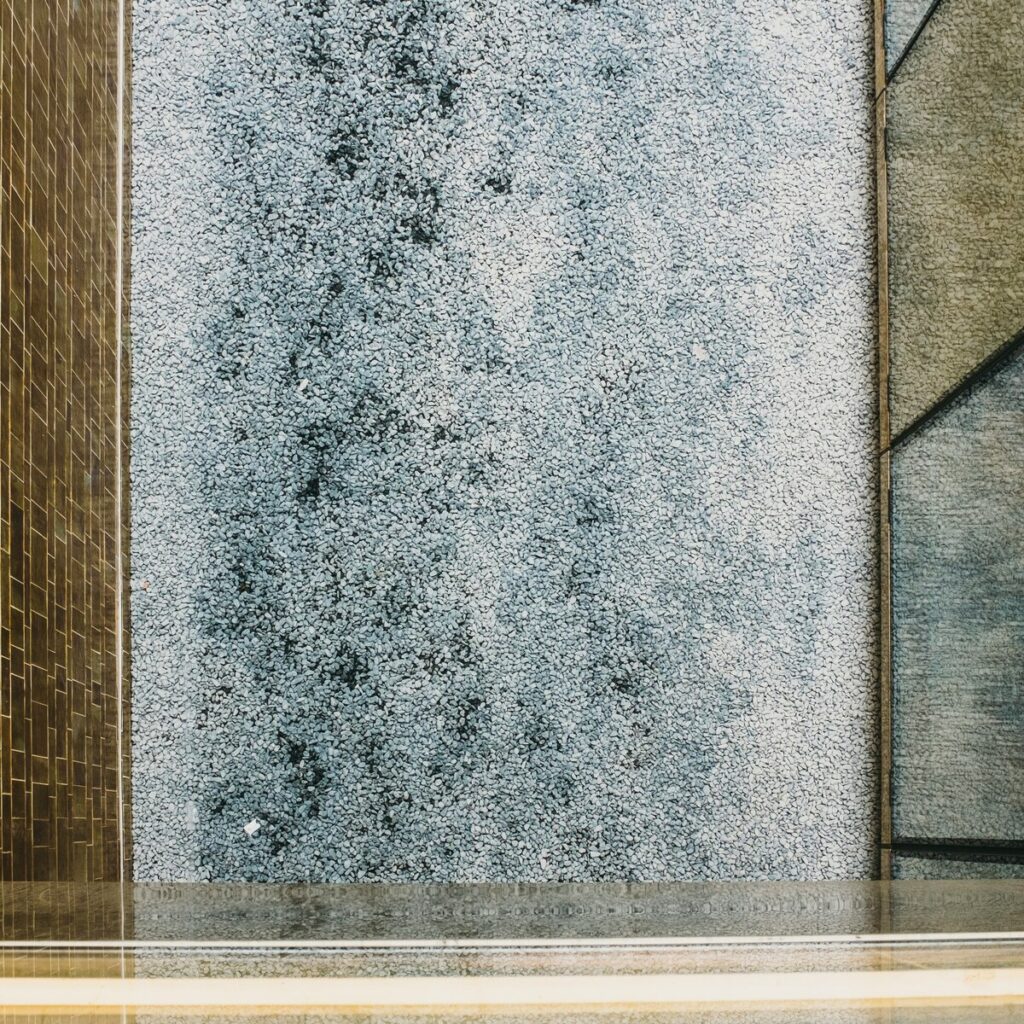
Concrete, once primarily associated with industrial and utilitarian structures, has become a cornerstone of modern interior design. Its versatility, durability, and unique aesthetic appeal have made it a favorite among designers and homeowners looking to create sophisticated, contemporary spaces. This blog post explores how concrete is revolutionizing interior design, the benefits it offers, and innovative ways to incorporate this timeless material into your home.
The Appeal of Concrete in Interior Design
Concrete’s resurgence in interior design can be attributed to its numerous benefits and the unique aesthetic it brings to a space.
Versatility
Concrete is an incredibly versatile material that can be molded, colored, and textured to fit a wide range of design styles. From sleek, polished surfaces to rough, industrial finishes, concrete can be adapted to suit various tastes and preferences. Its ability to be customized makes it suitable for different applications, from floors and walls to countertops and furniture.
Durability
One of the most significant advantages of concrete is its durability. Concrete surfaces are resistant to scratches, stains, and general wear and tear, making them ideal for high-traffic areas. This longevity ensures that concrete elements maintain their aesthetic appeal and functionality for many years, providing excellent value for money.
Aesthetic Appeal
Concrete’s raw, natural look adds a unique charm to any space. Its neutral color palette and ability to be finished in various ways allow it to complement both modern and traditional interiors. Whether used as a primary material or as an accent, concrete brings a sense of elegance and sophistication to interior design.
Innovative Uses of Concrete in Interior Design
Concrete’s versatility allows it to be used in numerous creative ways to enhance the beauty and functionality of interior spaces. Here are some innovative applications of concrete in interior design:
Concrete Floors
Concrete floors have become a popular choice in contemporary interior design. They offer a sleek, modern look that can be polished to a high gloss or left with a matte finish for a more industrial vibe. Concrete floors are easy to clean and maintain, making them ideal for kitchens, living rooms, and even bathrooms.
Tip: Use area rugs and floor mats to add warmth and comfort to concrete floors, creating a cozy atmosphere.
Concrete Walls
Concrete walls can create stunning focal points in any room. Whether used as an accent wall or throughout an entire space, concrete walls bring texture and depth to interior design. They can be left unfinished for a raw, industrial look or polished and sealed for a smoother, more refined appearance.
Tip: Combine concrete walls with other materials, such as wood or metal, to create a balanced and harmonious design.
Concrete Countertops
Concrete countertops are a stylish and durable option for kitchens and bathrooms. They can be customized with various colors, textures, and embedded materials, such as glass or stone, to create a unique and personalized look. Concrete countertops are heat-resistant and easy to clean, making them a practical choice for busy households.
Tip: Seal concrete countertops regularly to protect them from stains and enhance their longevity.
Concrete Furniture
Concrete furniture pieces, such as tables, benches, and chairs, add a touch of modern elegance to any interior space. These pieces are not only visually striking but also incredibly durable and low-maintenance. Concrete furniture can be paired with softer materials, like cushions and upholstery, to create a comfortable and inviting atmosphere.
Tip: Use concrete furniture in outdoor spaces as well, where its durability and weather resistance are particularly beneficial.
Concrete Fireplaces
A concrete fireplace can serve as a dramatic centerpiece in a living room or outdoor patio. The material’s heat resistance makes it an ideal choice for fireplace construction. Concrete fireplaces can be designed in various styles, from sleek and modern to rustic and traditional, adding warmth and ambiance to any space.
Tip: Incorporate built-in shelving or seating around the fireplace to enhance its functionality and aesthetic appeal.
Incorporating Concrete into Different Design Styles
Concrete’s adaptability makes it suitable for various interior design styles. Here are some ways to incorporate concrete into different design aesthetics:
Modern and Minimalist
In modern and minimalist interiors, concrete can be used to create clean lines and uncluttered spaces. Polished concrete floors, sleek countertops, and simple concrete furniture pieces can enhance the minimalist aesthetic, providing a sense of calm and order.
Tip: Pair concrete elements with neutral colors and minimalist decor to maintain a cohesive and serene environment.
Industrial
Concrete is a natural fit for industrial design, which celebrates raw materials and rugged textures. Exposed concrete walls, floors, and ceilings can serve as the foundation of an industrial space, complemented by metal fixtures, reclaimed wood, and vintage accessories.
Tip: Incorporate exposed pipes, Edison bulbs, and other industrial elements to complete the look.
Rustic and Farmhouse
Concrete can also be used in rustic and farmhouse interiors to add contrast and texture. Polished concrete countertops and floors can balance the warmth of wooden beams, furniture, and decor. Concrete elements in a rustic setting create a harmonious blend of old and new, enhancing the cozy and inviting atmosphere.
Tip: Use soft textiles, such as linen and wool, to soften the look of concrete and add warmth to the space.
Scandinavian
Scandinavian design emphasizes simplicity, functionality, and natural materials. Concrete can be seamlessly integrated into Scandinavian interiors through polished floors, minimalist furniture, and simple yet elegant accessories. The neutral tones of concrete complement the light and airy feel of Scandinavian design.
Tip: Incorporate greenery and natural light to enhance the connection with nature and add vibrancy to the space.
Maintaining Concrete in Interior Design
To ensure that concrete elements remain beautiful and functional, proper maintenance is essential. Here are some tips for maintaining concrete surfaces:
Regular Cleaning
Concrete surfaces should be cleaned regularly to remove dust, dirt, and spills. Use a mild detergent and water solution for routine cleaning, and avoid using harsh chemicals that can damage the surface.
Sealing
Sealing concrete surfaces helps protect them from stains, moisture, and wear. Depending on the type of concrete and its usage, resealing may be required every few years. Choose a sealant that is appropriate for the specific application, whether it’s floors, countertops, or walls.
Addressing Cracks
While concrete is durable, it can develop small cracks over time. These should be addressed promptly to prevent further damage. Use a concrete patching compound to fill in cracks and maintain the integrity of the surface.
Conclusion
Concrete is a timeless material that offers endless possibilities for interior design. Its durability, versatility, and unique aesthetic appeal make it an excellent choice for various applications, from floors and walls to furniture and fireplaces. By incorporating concrete into your interior design, you can create stylish, functional, and long-lasting spaces that stand the test of time. Whether you prefer a modern, industrial, rustic, or Scandinavian look, concrete can help you achieve your design goals while adding a touch of elegance and sophistication to your home.
- The Symbiosis of Interior and Exterior Design: Creating Cohesive Spaces
Introduction: Marrying Interior Design with External Aesthetics
The art of designing a space transcends beyond the confines of its interiors. A comprehensive design approach harmonizes the internal spaces with its exterior, ensuring a cohesive and symbiotic relationship between the interior design and the external environment and structure of the property.
Exterior Walls: A Canvas for the Interior
The exterior walls of a property play a pivotal role in determining the initial impressions and setting the stage for the interior design. A clean, well-maintained exterior through practices like stucco repair is not just vital for structural longevity but also contributes to the aesthetic fluidity from the external to internal spaces of the property. Ensuring the stucco is in prime condition plays a key role in both durability and aesthetics.
Maintaining External Brilliance with Pressure Washing
Seamlessly integrating interior and exterior designs necessitates maintaining a clean and vibrant external facade. Employing pressure washing to uphold an immaculate, mildew-free exterior can enhance the vibrancy and appeal of outdoor colors, textures, and spaces, which indirectly embellishes the interior design by providing a clean, well-maintained external backdrop.
Integrating Natural Elements in Design Through Thoughtful Tree Management
Incorporating natural elements, such as trees, into property design enhances aesthetic and environmental appeal. Thoughtful tree cutting can be employed to manage, shape, and integrate these natural entities into the overall design scheme, aligning them with the interior design themes and ensuring they complement rather than hinder the aesthetics and functionality of the property.
Conclusion: Crafting Unified Aesthetic Experiences Inside and Out
Concluding, crafting a space that exudes aesthetic harmony involves meticulous planning and maintenance, both inside and out. From ensuring structural integrity and aesthetic appeal with stucco repair and pressure washing to thoughtfully integrating natural elements via tree management, a unified design philosophy can truly bring a space to life, creating a seamless transition from the external environment to the interior spaces.
©2023 Interior & Exterior Design Insights. All Rights Reserved.
- Designing Spaces: Exploring the Art and Science of Interior Design
Interior design is a harmonious blend of artistry and functionality, where creativity meets practicality to transform spaces into beautiful and functional environments. In this blog post, we delve into the world of interior design, unraveling the art and science behind creating stunning living spaces. Join us on a journey as we explore the key principles, processes, and elements that define the realm of interior design.
1. The Art of Composition:
Interior design is akin to a canvas where designers use their creative prowess to compose visually appealing spaces. We delve into the principles of composition, such as balance, proportion, rhythm, and harmony. Discover how to create a sense of balance by arranging furniture and accessories, achieve visual harmony through color palettes and textures, and establish a rhythm that guides the eye throughout the space.
2. The Science of Functionality:
While aesthetics play a vital role, interior design is also deeply rooted in functionality. We explore the science behind creating spaces that are efficient, practical, and cater to the needs of the occupants. From space planning and flow optimization to understanding ergonomics and human-centered design, learn how to create spaces that enhance productivity, comfort, and well-being.
3. The Power of Colors and Textures:
Colors and textures have the ability to evoke emotions and set the tone of a space. We delve into the psychology of color and how different hues can influence mood and atmosphere. Explore the use of textures to add depth, visual interest, and tactile appeal to your interiors. Looking outside of the box for ideas of wall color and texture has its place too. Things like accent walls or utilizing stucco on an interior wall are ideas that will add life to the home. From bold and vibrant to soft and serene, discover how to use colors and textures to create impactful design statements.
4. Function Meets Fashion: Furniture and Accessories:
Furniture and accessories are the building blocks of interior design, bridging the gap between functionality and style. We discuss how to select furniture that fits the space, reflects your personal taste, and meets the functional requirements of each room. Discover the art of accessorizing, from selecting statement pieces to adding the finishing touches that bring a space to life.
5. Lighting as an Art Form:
Lighting design is an art form that can elevate the ambiance of a space. We explore the importance of lighting in interior design, from natural light to artificial illumination. Learn how to use different types of lighting fixtures, layering techniques, and dimmers to create the desired mood and highlight architectural features, artwork, and focal points.
6. Sustainability and Ethical Design:
In today’s world, interior design must also embrace sustainability and ethical considerations. We delve into the importance of eco-friendly materials, energy-efficient design practices, and ethical sourcing of products. Discover how to create sustainable interiors that minimize environmental impact and promote a healthier, greener lifestyle.
Conclusion:
Interior design is a captivating blend of artistry and functionality, where spaces are transformed into personal sanctuaries and expressions of individuality. By understanding the principles, processes, and elements that define interior design, you can create spaces that are visually stunning, functionally efficient, and emotionally engaging. Whether you’re revamping a single room or embarking on a complete home makeover, the art and science of interior design will guide you on your journey. So, let your creativity soar, explore new design horizons, and transform your spaces into havens of beauty, comfort, and inspiration. Make sure to see our sister blog – Outside Home Transformations for things like siding, roofing, painting and pressure washing.
- From Scotland to the States: Expanding Horizons in Interior Design
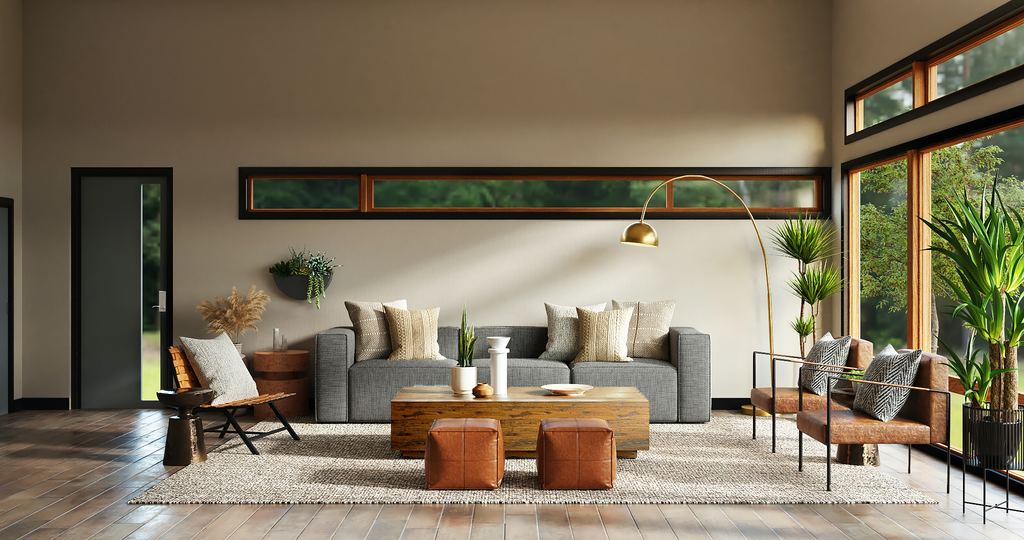
Interior design is a universal language that transcends borders, cultures, and continents. It has the power to transform spaces and evoke emotions, creating environments that reflect our personalities and aspirations. In this blog post, we celebrate the expansion of a renowned Scottish interior design website to the United States, bridging the gap between two distinct design sensibilities and offering a world of possibilities to design enthusiasts across the Atlantic.
1. A Rich Scottish Heritage:
Scotland is renowned for its rich cultural heritage and design legacy. The website’s Scottish roots bring a sense of history, craftsmanship, and timeless elegance to the forefront. From the grandeur of Scottish castles to the cozy charm of Highland cottages, the website showcases the essence of Scottish design. Explore the integration of traditional motifs, tartan patterns, and Scottish textiles to infuse your spaces with a touch of Scottish authenticity and sophistication.
2. Embracing American Aesthetics:
As the website expands to the United States, it embraces the diverse and vibrant American design aesthetics. American interior design is characterized by its versatility, innovation, and regional influences. It encompasses a wide range of styles, from sleek modernism to rustic farmhouse charm and everything in between. Discover how the website incorporates American influences to cater to the unique design preferences of its new audience.
3. Global Design Inspiration:
With its expansion to the United States, the website brings together the best of Scottish and American design influences. It opens doors to a world of global design inspiration, transcending geographical boundaries and offering a curated collection of ideas, products, and resources. From European elegance to American ingenuity, the website becomes a platform for cross-cultural exchange and design exploration.
4. Tailored Services and Expertise:
The expanded website recognizes the importance of providing tailored services and expertise to its American clientele. It offers personalized design consultations, project management, and sourcing of unique products to cater to the specific needs and preferences of homeowners, designers, and architects. Whether you seek a contemporary urban loft design or a coastal retreat aesthetic, the website’s team of experts can guide you on your design journey.
5. Showcasing Local Talent:
The website’s expansion provides an opportunity to showcase local American designers and artisans, promoting collaboration and fostering a sense of community within the design industry. It features profiles, interviews, and collaborations with talented designers, highlighting their unique perspectives and contributions to the American design landscape. Discover emerging talents and established names that will inspire and elevate your design projects.
6. Design Resources and Insights:
The expanded website serves as a comprehensive resource hub, offering design tips, trend forecasts, and insights into the latest innovations in the industry. From articles and blog posts on design techniques to curated product selections, the website becomes a go-to destination for design enthusiasts seeking inspiration and information. Engage with the design community, learn from experts, and stay updated with the latest trends and technologies.
Conclusion:
The expansion of the Scottish interior design website to the United States marks an exciting milestone in the world of design. It brings together the timeless elegance of Scottish design and the vibrant spirit of American aesthetics, offering a harmonious blend that caters to a diverse clientele. Whether you’re seeking traditional elegance, contemporary chic, or something in between, the website provides a platform to explore, create, and connect. From expert design services to curated resources, it offers a wealth of opportunities to transform your spaces and make your design dreams a reality. So, join us on this journey from Scotland to the States, and let your imagination soar as you discover a world of design possibilities that knows no boundaries.
- Transforming Interiors: The Role of Foam Insulation in Modern Interior Design
In the realm of interior design, aesthetics and functionality often go hand in hand. While the visual appeal of a space is crucial, ensuring that the environment is comfortable, energy-efficient, and sustainable is equally important. Foam insulation has emerged as a key player in modern interior design, offering a range of benefits that enhance both the beauty and performance of living and working spaces. This blog post explores the impact of foam insulation on interior design, discussing its benefits, applications, and practical tips for integrating this innovative material into your projects.
The Intersection of Interior Design and Insulation
Interior design is about creating spaces that are not only visually pleasing but also comfortable and efficient. Insulation plays a crucial role in this process by regulating temperature, controlling sound, and improving energy efficiency. Foam insulation, in particular, has become a preferred choice for designers and architects due to its superior properties and versatility.
Understanding Foam Insulation
Foam insulation is a high-performance material that expands and hardens after application, providing excellent thermal resistance and air sealing capabilities. It comes in two primary forms: spray foam insulation and rigid foam board insulation.
Spray Foam Insulation
Spray foam insulation is applied as a liquid that expands into a foam, filling gaps and creating an airtight seal. It is available in two varieties:
- Open-Cell Spray Foam: This type is less dense, making it more flexible and effective at soundproofing. It is ideal for interior applications where moisture resistance is not a primary concern.
- Closed-Cell Spray Foam: Denser and more rigid, closed-cell spray foam offers higher R-value and moisture resistance, making it suitable for both interior and exterior applications, particularly in areas prone to high humidity.
Rigid Foam Board Insulation
Rigid foam board insulation consists of pre-formed boards made from materials such as polystyrene, polyisocyanurate, or polyurethane. These boards provide high insulating values and are commonly used in walls, roofs, and foundations to create a continuous insulation layer that minimizes thermal bridging.
Benefits of Foam Insulation in Interior Design
Foam insulation offers numerous benefits that enhance the functionality and aesthetics of interior spaces:
Superior Thermal Comfort
One of the primary benefits of foam insulation is its ability to regulate temperature. By maintaining a stable indoor temperature, foam insulation ensures that spaces remain comfortable year-round, regardless of external weather conditions.
Example: Insulating the walls and roof of a living room with closed-cell spray foam helps keep the interior warm in the winter and cool in the summer, creating a comfortable environment for residents.
Effective Soundproofing
Open-cell spray foam is particularly effective at absorbing sound, making it an excellent choice for interior applications where noise reduction is important. This is especially beneficial in multi-family buildings, offices, and entertainment spaces.
Example: Applying open-cell spray foam insulation to the walls and ceilings of a home theater significantly reduces noise transmission, ensuring an immersive and enjoyable viewing experience.
Enhanced Energy Efficiency
Foam insulation’s high R-value per inch means it provides excellent thermal resistance, reducing the need for heating and cooling and leading to significant energy savings. This is particularly important in modern, energy-efficient home designs.
Example: A home insulated with spray foam experiences lower energy consumption, resulting in reduced utility bills and a smaller environmental footprint.
Moisture Control and Mold Prevention
Closed-cell spray foam insulation acts as a moisture barrier, preventing water infiltration and reducing the risk of mold and mildew growth. This is particularly important in areas with high humidity or significant rainfall.
Example: A bathroom insulated with closed-cell spray foam remains dry and free from mold, ensuring a healthy and comfortable environment.
Applications of Foam Insulation in Interior Design
Foam insulation can be applied in various parts of a building to enhance its performance and aesthetics:
Walls
Both spray foam and rigid foam board insulation can be used in walls to create a well-insulated building envelope. Spray foam is particularly effective in sealing gaps and cracks, while rigid foam boards provide continuous insulation and reduce thermal bridging.
Example: Insulating the walls of a bedroom with open-cell spray foam not only improves thermal comfort but also enhances soundproofing, creating a peaceful and restful space.
Roofs and Attics
Insulating the roof and attic with foam insulation helps maintain consistent temperatures throughout the building and prevents heat loss during winter and heat gain during summer. Spray foam can be applied directly to the underside of the roof deck, creating an airtight seal and enhancing energy efficiency.
Example: An attic converted into a living space with spray foam insulation stays warm in winter and cool in summer, providing a comfortable and usable area year-round.
Basements and Crawl Spaces
Foam insulation is ideal for basements and crawl spaces due to its moisture resistance and ability to create an airtight seal. Closed-cell spray foam is particularly effective in these areas, preventing moisture infiltration and reducing the risk of mold growth.
Example: A basement transformed into a home office or gym with closed-cell spray foam insulation remains dry and comfortable, ensuring a healthy and functional environment.
Decorative Elements
Foam insulation can also be used in creative ways to enhance the aesthetics of a space. For example, rigid foam boards can be cut and shaped to create decorative wall panels or architectural details.
Example: Using rigid foam board insulation to create custom wall panels in a living room adds a unique design element while providing additional insulation benefits.
Practical Tips for Implementing Foam Insulation in Interior Design
To maximize the benefits of foam insulation in interior design projects, it’s important to follow best practices:
Choose the Right Type of Foam
Select the appropriate type of foam insulation based on the specific needs of the project. Open-cell spray foam is ideal for interior applications and soundproofing, while closed-cell spray foam and rigid foam boards are better suited for areas requiring high R-values and moisture resistance.
Tip: Consult with a professional insulation contractor to determine the best type of foam insulation for your project.
Ensure Proper Installation
Proper installation is crucial for maximizing the benefits of foam insulation. Hire experienced and certified installers who understand the intricacies of applying spray foam and installing rigid foam boards.
Tip: Request references and check reviews to find reputable insulation contractors with a proven track record of quality work.
Plan for Ventilation
While foam insulation creates an airtight seal, proper ventilation is still necessary to maintain indoor air quality. Plan for adequate ventilation systems to prevent issues related to air quality and moisture.
Tip: Consider installing mechanical ventilation systems, such as heat recovery ventilators (HRVs), to ensure a healthy indoor environment.
Real-World Examples of Foam Insulation in Interior Design
Modern Apartment Renovation
A modern apartment in New York City was renovated using open-cell spray foam insulation in the walls and ceilings. The transformation resulted in improved thermal comfort, reduced noise levels, and enhanced energy efficiency. The added soundproofing created a quieter living environment, increasing tenant satisfaction and reducing turnover rates.
Luxury Home Theater
A luxury home in Los Angeles incorporated open-cell spray foam insulation into the walls and ceiling of its home theater. The insulation provided superior soundproofing, creating an immersive and enjoyable viewing experience. The thermal insulation also helped maintain a comfortable temperature, enhancing the overall experience.
Eco-Friendly Home Design
An eco-friendly home in Oregon used both open-cell and closed-cell spray foam insulation throughout the building. The insulation provided excellent thermal resistance, reducing energy consumption and supporting the home’s sustainability goals. The moisture resistance of closed-cell spray foam ensured that the home remained dry and free from mold, contributing to a healthy living environment.
Conclusion
Foam insulation is a transformative tool in modern interior design, offering significant improvements in energy efficiency, thermal comfort, and overall aesthetics. Whether used in walls, roofs, basements, or decorative elements, foam insulation provides long-lasting benefits that enhance the performance and appeal of any space. By understanding the different types of foam insulation and following best practices for installation, designers and homeowners can create beautiful, comfortable, and sustainable interiors that stand the test of time. As the demand for high-quality, energy-efficient living spaces continues to grow, foam insulation will play a crucial role in shaping the future of interior design.
- Concrete Elegance: Transforming Interior Design with a Timeless Material
Concrete, once primarily associated with industrial and utilitarian structures, has become a cornerstone of modern interior design. Its versatility, durability, and unique aesthetic appeal have made it a favorite among designers and homeowners looking to create sophisticated, contemporary spaces. This blog post explores how concrete is revolutionizing interior design, the benefits it offers, and innovative ways to incorporate this timeless material into your home.
The Appeal of Concrete in Interior Design
Concrete’s resurgence in interior design can be attributed to its numerous benefits and the unique aesthetic it brings to a space.
Versatility
Concrete is an incredibly versatile material that can be molded, colored, and textured to fit a wide range of design styles. From sleek, polished surfaces to rough, industrial finishes, concrete can be adapted to suit various tastes and preferences. Its ability to be customized makes it suitable for different applications, from floors and walls to countertops and furniture.
Durability
One of the most significant advantages of concrete is its durability. Concrete surfaces are resistant to scratches, stains, and general wear and tear, making them ideal for high-traffic areas. This longevity ensures that concrete elements maintain their aesthetic appeal and functionality for many years, providing excellent value for money.
Aesthetic Appeal
Concrete’s raw, natural look adds a unique charm to any space. Its neutral color palette and ability to be finished in various ways allow it to complement both modern and traditional interiors. Whether used as a primary material or as an accent, concrete brings a sense of elegance and sophistication to interior design.
Innovative Uses of Concrete in Interior Design
Concrete’s versatility allows it to be used in numerous creative ways to enhance the beauty and functionality of interior spaces. Here are some innovative applications of concrete in interior design:
Concrete Floors
Concrete floors have become a popular choice in contemporary interior design. They offer a sleek, modern look that can be polished to a high gloss or left with a matte finish for a more industrial vibe. Concrete floors are easy to clean and maintain, making them ideal for kitchens, living rooms, and even bathrooms.
Tip: Use area rugs and floor mats to add warmth and comfort to concrete floors, creating a cozy atmosphere.
Concrete Walls
Concrete walls can create stunning focal points in any room. Whether used as an accent wall or throughout an entire space, concrete walls bring texture and depth to interior design. They can be left unfinished for a raw, industrial look or polished and sealed for a smoother, more refined appearance.
Tip: Combine concrete walls with other materials, such as wood or metal, to create a balanced and harmonious design.
Concrete Countertops
Concrete countertops are a stylish and durable option for kitchens and bathrooms. They can be customized with various colors, textures, and embedded materials, such as glass or stone, to create a unique and personalized look. Concrete countertops are heat-resistant and easy to clean, making them a practical choice for busy households.
Tip: Seal concrete countertops regularly to protect them from stains and enhance their longevity.
Concrete Furniture
Concrete furniture pieces, such as tables, benches, and chairs, add a touch of modern elegance to any interior space. These pieces are not only visually striking but also incredibly durable and low-maintenance. Concrete furniture can be paired with softer materials, like cushions and upholstery, to create a comfortable and inviting atmosphere.
Tip: Use concrete furniture in outdoor spaces as well, where its durability and weather resistance are particularly beneficial.
Concrete Fireplaces
A concrete fireplace can serve as a dramatic centerpiece in a living room or outdoor patio. The material’s heat resistance makes it an ideal choice for fireplace construction. Concrete fireplaces can be designed in various styles, from sleek and modern to rustic and traditional, adding warmth and ambiance to any space.
Tip: Incorporate built-in shelving or seating around the fireplace to enhance its functionality and aesthetic appeal.
Incorporating Concrete into Different Design Styles
Concrete’s adaptability makes it suitable for various interior design styles. Here are some ways to incorporate concrete into different design aesthetics:
Modern and Minimalist
In modern and minimalist interiors, concrete can be used to create clean lines and uncluttered spaces. Polished concrete floors, sleek countertops, and simple concrete furniture pieces can enhance the minimalist aesthetic, providing a sense of calm and order.
Tip: Pair concrete elements with neutral colors and minimalist decor to maintain a cohesive and serene environment.
Industrial
Concrete is a natural fit for industrial design, which celebrates raw materials and rugged textures. Exposed concrete walls, floors, and ceilings can serve as the foundation of an industrial space, complemented by metal fixtures, reclaimed wood, and vintage accessories.
Tip: Incorporate exposed pipes, Edison bulbs, and other industrial elements to complete the look.
Rustic and Farmhouse
Concrete can also be used in rustic and farmhouse interiors to add contrast and texture. Polished concrete countertops and floors can balance the warmth of wooden beams, furniture, and decor. Concrete elements in a rustic setting create a harmonious blend of old and new, enhancing the cozy and inviting atmosphere.
Tip: Use soft textiles, such as linen and wool, to soften the look of concrete and add warmth to the space.
Scandinavian
Scandinavian design emphasizes simplicity, functionality, and natural materials. Concrete can be seamlessly integrated into Scandinavian interiors through polished floors, minimalist furniture, and simple yet elegant accessories. The neutral tones of concrete complement the light and airy feel of Scandinavian design.
Tip: Incorporate greenery and natural light to enhance the connection with nature and add vibrancy to the space.
Maintaining Concrete in Interior Design
To ensure that concrete elements remain beautiful and functional, proper maintenance is essential. Here are some tips for maintaining concrete surfaces:
Regular Cleaning
Concrete surfaces should be cleaned regularly to remove dust, dirt, and spills. Use a mild detergent and water solution for routine cleaning, and avoid using harsh chemicals that can damage the surface.
Sealing
Sealing concrete surfaces helps protect them from stains, moisture, and wear. Depending on the type of concrete and its usage, resealing may be required every few years. Choose a sealant that is appropriate for the specific application, whether it’s floors, countertops, or walls.
Addressing Cracks
While concrete is durable, it can develop small cracks over time. These should be addressed promptly to prevent further damage. Use a concrete patching compound to fill in cracks and maintain the integrity of the surface.
Conclusion
Concrete is a timeless material that offers endless possibilities for interior design. Its durability, versatility, and unique aesthetic appeal make it an excellent choice for various applications, from floors and walls to furniture and fireplaces. By incorporating concrete into your interior design, you can create stylish, functional, and long-lasting spaces that stand the test of time. Whether you prefer a modern, industrial, rustic, or Scandinavian look, concrete can help you achieve your design goals while adding a touch of elegance and sophistication to your home.
- The Symbiosis of Interior and Exterior Design: Creating Cohesive Spaces
Introduction: Marrying Interior Design with External Aesthetics
The art of designing a space transcends beyond the confines of its interiors. A comprehensive design approach harmonizes the internal spaces with its exterior, ensuring a cohesive and symbiotic relationship between the interior design and the external environment and structure of the property.
Exterior Walls: A Canvas for the Interior
The exterior walls of a property play a pivotal role in determining the initial impressions and setting the stage for the interior design. A clean, well-maintained exterior through practices like stucco repair is not just vital for structural longevity but also contributes to the aesthetic fluidity from the external to internal spaces of the property. Ensuring the stucco is in prime condition plays a key role in both durability and aesthetics.
Maintaining External Brilliance with Pressure Washing
Seamlessly integrating interior and exterior designs necessitates maintaining a clean and vibrant external facade. Employing pressure washing to uphold an immaculate, mildew-free exterior can enhance the vibrancy and appeal of outdoor colors, textures, and spaces, which indirectly embellishes the interior design by providing a clean, well-maintained external backdrop.
Integrating Natural Elements in Design Through Thoughtful Tree Management
Incorporating natural elements, such as trees, into property design enhances aesthetic and environmental appeal. Thoughtful tree cutting can be employed to manage, shape, and integrate these natural entities into the overall design scheme, aligning them with the interior design themes and ensuring they complement rather than hinder the aesthetics and functionality of the property.
Conclusion: Crafting Unified Aesthetic Experiences Inside and Out
Concluding, crafting a space that exudes aesthetic harmony involves meticulous planning and maintenance, both inside and out. From ensuring structural integrity and aesthetic appeal with stucco repair and pressure washing to thoughtfully integrating natural elements via tree management, a unified design philosophy can truly bring a space to life, creating a seamless transition from the external environment to the interior spaces.
©2023 Interior & Exterior Design Insights. All Rights Reserved.
- Designing Spaces: Exploring the Art and Science of Interior Design
Interior design is a harmonious blend of artistry and functionality, where creativity meets practicality to transform spaces into beautiful and functional environments. In this blog post, we delve into the world of interior design, unraveling the art and science behind creating stunning living spaces. Join us on a journey as we explore the key principles, processes, and elements that define the realm of interior design.
1. The Art of Composition:
Interior design is akin to a canvas where designers use their creative prowess to compose visually appealing spaces. We delve into the principles of composition, such as balance, proportion, rhythm, and harmony. Discover how to create a sense of balance by arranging furniture and accessories, achieve visual harmony through color palettes and textures, and establish a rhythm that guides the eye throughout the space.
2. The Science of Functionality:
While aesthetics play a vital role, interior design is also deeply rooted in functionality. We explore the science behind creating spaces that are efficient, practical, and cater to the needs of the occupants. From space planning and flow optimization to understanding ergonomics and human-centered design, learn how to create spaces that enhance productivity, comfort, and well-being.
3. The Power of Colors and Textures:
Colors and textures have the ability to evoke emotions and set the tone of a space. We delve into the psychology of color and how different hues can influence mood and atmosphere. Explore the use of textures to add depth, visual interest, and tactile appeal to your interiors. Looking outside of the box for ideas of wall color and texture has its place too. Things like accent walls or utilizing stucco on an interior wall are ideas that will add life to the home. From bold and vibrant to soft and serene, discover how to use colors and textures to create impactful design statements.
4. Function Meets Fashion: Furniture and Accessories:
Furniture and accessories are the building blocks of interior design, bridging the gap between functionality and style. We discuss how to select furniture that fits the space, reflects your personal taste, and meets the functional requirements of each room. Discover the art of accessorizing, from selecting statement pieces to adding the finishing touches that bring a space to life.
5. Lighting as an Art Form:
Lighting design is an art form that can elevate the ambiance of a space. We explore the importance of lighting in interior design, from natural light to artificial illumination. Learn how to use different types of lighting fixtures, layering techniques, and dimmers to create the desired mood and highlight architectural features, artwork, and focal points.
6. Sustainability and Ethical Design:
In today’s world, interior design must also embrace sustainability and ethical considerations. We delve into the importance of eco-friendly materials, energy-efficient design practices, and ethical sourcing of products. Discover how to create sustainable interiors that minimize environmental impact and promote a healthier, greener lifestyle.
Conclusion:
Interior design is a captivating blend of artistry and functionality, where spaces are transformed into personal sanctuaries and expressions of individuality. By understanding the principles, processes, and elements that define interior design, you can create spaces that are visually stunning, functionally efficient, and emotionally engaging. Whether you’re revamping a single room or embarking on a complete home makeover, the art and science of interior design will guide you on your journey. So, let your creativity soar, explore new design horizons, and transform your spaces into havens of beauty, comfort, and inspiration. Make sure to see our sister blog – Outside Home Transformations for things like siding, roofing, painting and pressure washing.
- From Scotland to the States: Expanding Horizons in Interior Design
Interior design is a universal language that transcends borders, cultures, and continents. It has the power to transform spaces and evoke emotions, creating environments that reflect our personalities and aspirations. In this blog post, we celebrate the expansion of a renowned Scottish interior design website to the United States, bridging the gap between two distinct design sensibilities and offering a world of possibilities to design enthusiasts across the Atlantic.
1. A Rich Scottish Heritage:
Scotland is renowned for its rich cultural heritage and design legacy. The website’s Scottish roots bring a sense of history, craftsmanship, and timeless elegance to the forefront. From the grandeur of Scottish castles to the cozy charm of Highland cottages, the website showcases the essence of Scottish design. Explore the integration of traditional motifs, tartan patterns, and Scottish textiles to infuse your spaces with a touch of Scottish authenticity and sophistication.
2. Embracing American Aesthetics:
As the website expands to the United States, it embraces the diverse and vibrant American design aesthetics. American interior design is characterized by its versatility, innovation, and regional influences. It encompasses a wide range of styles, from sleek modernism to rustic farmhouse charm and everything in between. Discover how the website incorporates American influences to cater to the unique design preferences of its new audience.
3. Global Design Inspiration:
With its expansion to the United States, the website brings together the best of Scottish and American design influences. It opens doors to a world of global design inspiration, transcending geographical boundaries and offering a curated collection of ideas, products, and resources. From European elegance to American ingenuity, the website becomes a platform for cross-cultural exchange and design exploration.
4. Tailored Services and Expertise:
The expanded website recognizes the importance of providing tailored services and expertise to its American clientele. It offers personalized design consultations, project management, and sourcing of unique products to cater to the specific needs and preferences of homeowners, designers, and architects. Whether you seek a contemporary urban loft design or a coastal retreat aesthetic, the website’s team of experts can guide you on your design journey.
5. Showcasing Local Talent:
The website’s expansion provides an opportunity to showcase local American designers and artisans, promoting collaboration and fostering a sense of community within the design industry. It features profiles, interviews, and collaborations with talented designers, highlighting their unique perspectives and contributions to the American design landscape. Discover emerging talents and established names that will inspire and elevate your design projects.
6. Design Resources and Insights:
The expanded website serves as a comprehensive resource hub, offering design tips, trend forecasts, and insights into the latest innovations in the industry. From articles and blog posts on design techniques to curated product selections, the website becomes a go-to destination for design enthusiasts seeking inspiration and information. Engage with the design community, learn from experts, and stay updated with the latest trends and technologies.
Conclusion:
The expansion of the Scottish interior design website to the United States marks an exciting milestone in the world of design. It brings together the timeless elegance of Scottish design and the vibrant spirit of American aesthetics, offering a harmonious blend that caters to a diverse clientele. Whether you’re seeking traditional elegance, contemporary chic, or something in between, the website provides a platform to explore, create, and connect. From expert design services to curated resources, it offers a wealth of opportunities to transform your spaces and make your design dreams a reality. So, join us on this journey from Scotland to the States, and let your imagination soar as you discover a world of design possibilities that knows no boundaries.