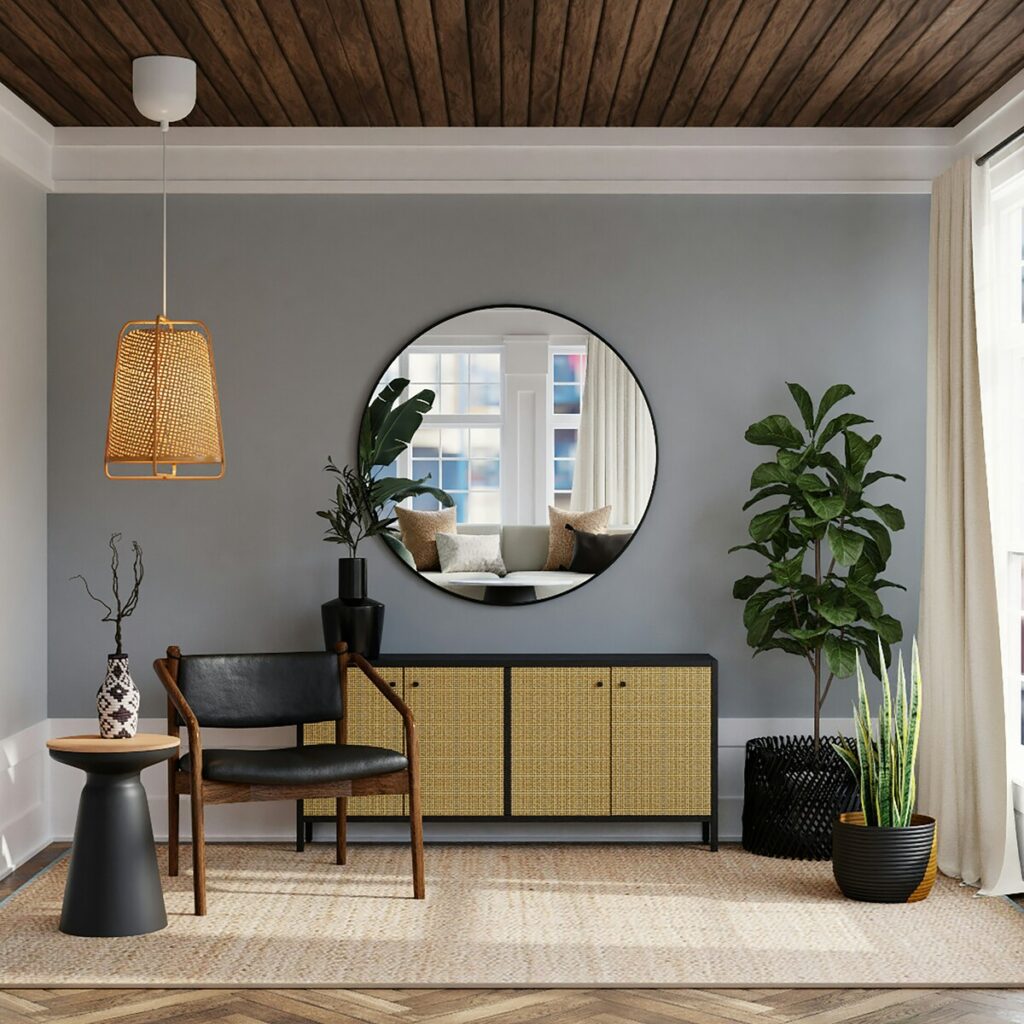
In the realm of interior design, aesthetics and functionality often go hand in hand. While the visual appeal of a space is crucial, ensuring that the environment is comfortable, energy-efficient, and sustainable is equally important. Foam insulation has emerged as a key player in modern interior design, offering a range of benefits that enhance both the beauty and performance of living and working spaces. This blog post explores the impact of foam insulation on interior design, discussing its benefits, applications, and practical tips for integrating this innovative material into your projects.
The Intersection of Interior Design and Insulation
Interior design is about creating spaces that are not only visually pleasing but also comfortable and efficient. Insulation plays a crucial role in this process by regulating temperature, controlling sound, and improving energy efficiency. Foam insulation, in particular, has become a preferred choice for designers and architects due to its superior properties and versatility.
Understanding Foam Insulation
Foam insulation is a high-performance material that expands and hardens after application, providing excellent thermal resistance and air sealing capabilities. It comes in two primary forms: spray foam insulation and rigid foam board insulation.
Spray Foam Insulation
Spray foam insulation is applied as a liquid that expands into a foam, filling gaps and creating an airtight seal. It is available in two varieties:
- Open-Cell Spray Foam: This type is less dense, making it more flexible and effective at soundproofing. It is ideal for interior applications where moisture resistance is not a primary concern.
- Closed-Cell Spray Foam: Denser and more rigid, closed-cell spray foam offers higher R-value and moisture resistance, making it suitable for both interior and exterior applications, particularly in areas prone to high humidity.
Rigid Foam Board Insulation
Rigid foam board insulation consists of pre-formed boards made from materials such as polystyrene, polyisocyanurate, or polyurethane. These boards provide high insulating values and are commonly used in walls, roofs, and foundations to create a continuous insulation layer that minimizes thermal bridging.
Benefits of Foam Insulation in Interior Design
Foam insulation offers numerous benefits that enhance the functionality and aesthetics of interior spaces:
Superior Thermal Comfort
One of the primary benefits of foam insulation is its ability to regulate temperature. By maintaining a stable indoor temperature, foam insulation ensures that spaces remain comfortable year-round, regardless of external weather conditions.
Example: Insulating the walls and roof of a living room with closed-cell spray foam helps keep the interior warm in the winter and cool in the summer, creating a comfortable environment for residents.
Effective Soundproofing
Open-cell spray foam is particularly effective at absorbing sound, making it an excellent choice for interior applications where noise reduction is important. This is especially beneficial in multi-family buildings, offices, and entertainment spaces.
Example: Applying open-cell spray foam insulation to the walls and ceilings of a home theater significantly reduces noise transmission, ensuring an immersive and enjoyable viewing experience.
Enhanced Energy Efficiency
Foam insulation’s high R-value per inch means it provides excellent thermal resistance, reducing the need for heating and cooling and leading to significant energy savings. This is particularly important in modern, energy-efficient home designs.
Example: A home insulated with spray foam experiences lower energy consumption, resulting in reduced utility bills and a smaller environmental footprint.
Moisture Control and Mold Prevention
Closed-cell spray foam insulation acts as a moisture barrier, preventing water infiltration and reducing the risk of mold and mildew growth. This is particularly important in areas with high humidity or significant rainfall.
Example: A bathroom insulated with closed-cell spray foam remains dry and free from mold, ensuring a healthy and comfortable environment.
Applications of Foam Insulation in Interior Design
Foam insulation can be applied in various parts of a building to enhance its performance and aesthetics:
Walls
Both spray foam and rigid foam board insulation can be used in walls to create a well-insulated building envelope. Spray foam is particularly effective in sealing gaps and cracks, while rigid foam boards provide continuous insulation and reduce thermal bridging.
Example: Insulating the walls of a bedroom with open-cell spray foam not only improves thermal comfort but also enhances soundproofing, creating a peaceful and restful space.
Roofs and Attics
Insulating the roof and attic with foam insulation helps maintain consistent temperatures throughout the building and prevents heat loss during winter and heat gain during summer. Spray foam can be applied directly to the underside of the roof deck, creating an airtight seal and enhancing energy efficiency.
Example: An attic converted into a living space with spray foam insulation stays warm in winter and cool in summer, providing a comfortable and usable area year-round.
Basements and Crawl Spaces
Foam insulation is ideal for basements and crawl spaces due to its moisture resistance and ability to create an airtight seal. Closed-cell spray foam is particularly effective in these areas, preventing moisture infiltration and reducing the risk of mold growth.
Example: A basement transformed into a home office or gym with closed-cell spray foam insulation remains dry and comfortable, ensuring a healthy and functional environment.
Decorative Elements
Foam insulation can also be used in creative ways to enhance the aesthetics of a space. For example, rigid foam boards can be cut and shaped to create decorative wall panels or architectural details.
Example: Using rigid foam board insulation to create custom wall panels in a living room adds a unique design element while providing additional insulation benefits.
Practical Tips for Implementing Foam Insulation in Interior Design
To maximize the benefits of foam insulation in interior design projects, it’s important to follow best practices:
Choose the Right Type of Foam
Select the appropriate type of foam insulation based on the specific needs of the project. Open-cell spray foam is ideal for interior applications and soundproofing, while closed-cell spray foam and rigid foam boards are better suited for areas requiring high R-values and moisture resistance.
Tip: Consult with a professional insulation contractor to determine the best type of foam insulation for your project.
Ensure Proper Installation
Proper installation is crucial for maximizing the benefits of foam insulation. Hire experienced and certified installers who understand the intricacies of applying spray foam and installing rigid foam boards.
Tip: Request references and check reviews to find reputable insulation contractors with a proven track record of quality work.
Plan for Ventilation
While foam insulation creates an airtight seal, proper ventilation is still necessary to maintain indoor air quality. Plan for adequate ventilation systems to prevent issues related to air quality and moisture.
Tip: Consider installing mechanical ventilation systems, such as heat recovery ventilators (HRVs), to ensure a healthy indoor environment.
Real-World Examples of Foam Insulation in Interior Design
Modern Apartment Renovation
A modern apartment in New York City was renovated using open-cell spray foam insulation in the walls and ceilings. The transformation resulted in improved thermal comfort, reduced noise levels, and enhanced energy efficiency. The added soundproofing created a quieter living environment, increasing tenant satisfaction and reducing turnover rates.
Luxury Home Theater
A luxury home in Los Angeles incorporated open-cell spray foam insulation into the walls and ceiling of its home theater. The insulation provided superior soundproofing, creating an immersive and enjoyable viewing experience. The thermal insulation also helped maintain a comfortable temperature, enhancing the overall experience.
Eco-Friendly Home Design
An eco-friendly home in Oregon used both open-cell and closed-cell spray foam insulation throughout the building. The insulation provided excellent thermal resistance, reducing energy consumption and supporting the home’s sustainability goals. The moisture resistance of closed-cell spray foam ensured that the home remained dry and free from mold, contributing to a healthy living environment.
Conclusion
Foam insulation is a transformative tool in modern interior design, offering significant improvements in energy efficiency, thermal comfort, and overall aesthetics. Whether used in walls, roofs, basements, or decorative elements, foam insulation provides long-lasting benefits that enhance the performance and appeal of any space. By understanding the different types of foam insulation and following best practices for installation, designers and homeowners can create beautiful, comfortable, and sustainable interiors that stand the test of time. As the demand for high-quality, energy-efficient living spaces continues to grow, foam insulation will play a crucial role in shaping the future of interior design.