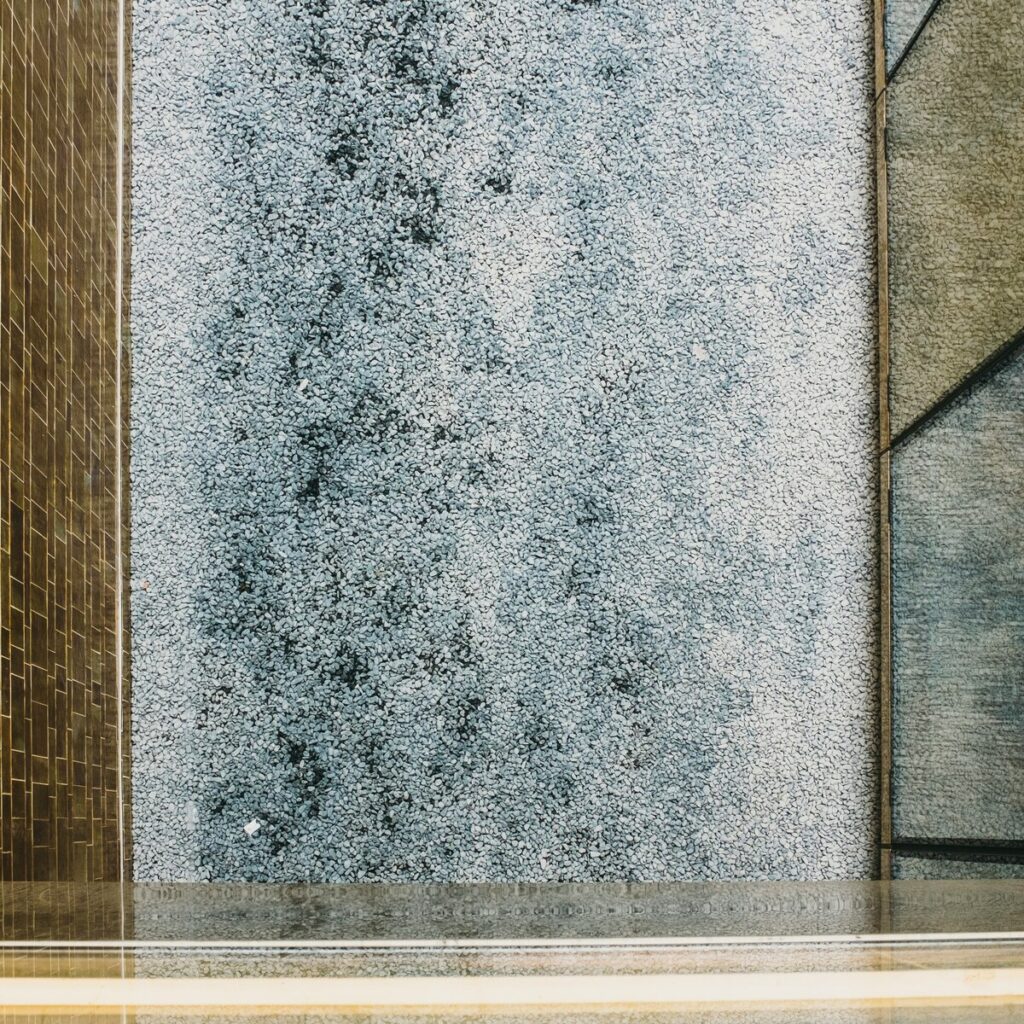
Concrete, once primarily associated with industrial and utilitarian structures, has become a cornerstone of modern interior design. Its versatility, durability, and unique aesthetic appeal have made it a favorite among designers and homeowners looking to create sophisticated, contemporary spaces. This blog post explores how concrete is revolutionizing interior design, the benefits it offers, and innovative ways to incorporate this timeless material into your home.
The Appeal of Concrete in Interior Design
Concrete’s resurgence in interior design can be attributed to its numerous benefits and the unique aesthetic it brings to a space.
Versatility
Concrete is an incredibly versatile material that can be molded, colored, and textured to fit a wide range of design styles. From sleek, polished surfaces to rough, industrial finishes, concrete can be adapted to suit various tastes and preferences. Its ability to be customized makes it suitable for different applications, from floors and walls to countertops and furniture.
Durability
One of the most significant advantages of concrete is its durability. Concrete surfaces are resistant to scratches, stains, and general wear and tear, making them ideal for high-traffic areas. This longevity ensures that concrete elements maintain their aesthetic appeal and functionality for many years, providing excellent value for money.
Aesthetic Appeal
Concrete’s raw, natural look adds a unique charm to any space. Its neutral color palette and ability to be finished in various ways allow it to complement both modern and traditional interiors. Whether used as a primary material or as an accent, concrete brings a sense of elegance and sophistication to interior design.
Innovative Uses of Concrete in Interior Design
Concrete’s versatility allows it to be used in numerous creative ways to enhance the beauty and functionality of interior spaces. Here are some innovative applications of concrete in interior design:
Concrete Floors
Concrete floors have become a popular choice in contemporary interior design. They offer a sleek, modern look that can be polished to a high gloss or left with a matte finish for a more industrial vibe. Concrete floors are easy to clean and maintain, making them ideal for kitchens, living rooms, and even bathrooms.
Tip: Use area rugs and floor mats to add warmth and comfort to concrete floors, creating a cozy atmosphere.
Concrete Walls
Concrete walls can create stunning focal points in any room. Whether used as an accent wall or throughout an entire space, concrete walls bring texture and depth to interior design. They can be left unfinished for a raw, industrial look or polished and sealed for a smoother, more refined appearance.
Tip: Combine concrete walls with other materials, such as wood or metal, to create a balanced and harmonious design.
Concrete Countertops
Concrete countertops are a stylish and durable option for kitchens and bathrooms. They can be customized with various colors, textures, and embedded materials, such as glass or stone, to create a unique and personalized look. Concrete countertops are heat-resistant and easy to clean, making them a practical choice for busy households.
Tip: Seal concrete countertops regularly to protect them from stains and enhance their longevity.
Concrete Furniture
Concrete furniture pieces, such as tables, benches, and chairs, add a touch of modern elegance to any interior space. These pieces are not only visually striking but also incredibly durable and low-maintenance. Concrete furniture can be paired with softer materials, like cushions and upholstery, to create a comfortable and inviting atmosphere.
Tip: Use concrete furniture in outdoor spaces as well, where its durability and weather resistance are particularly beneficial.
Concrete Fireplaces
A concrete fireplace can serve as a dramatic centerpiece in a living room or outdoor patio. The material’s heat resistance makes it an ideal choice for fireplace construction. Concrete fireplaces can be designed in various styles, from sleek and modern to rustic and traditional, adding warmth and ambiance to any space.
Tip: Incorporate built-in shelving or seating around the fireplace to enhance its functionality and aesthetic appeal.
Incorporating Concrete into Different Design Styles
Concrete’s adaptability makes it suitable for various interior design styles. Here are some ways to incorporate concrete into different design aesthetics:
Modern and Minimalist
In modern and minimalist interiors, concrete can be used to create clean lines and uncluttered spaces. Polished concrete floors, sleek countertops, and simple concrete furniture pieces can enhance the minimalist aesthetic, providing a sense of calm and order.
Tip: Pair concrete elements with neutral colors and minimalist decor to maintain a cohesive and serene environment.
Industrial
Concrete is a natural fit for industrial design, which celebrates raw materials and rugged textures. Exposed concrete walls, floors, and ceilings can serve as the foundation of an industrial space, complemented by metal fixtures, reclaimed wood, and vintage accessories.
Tip: Incorporate exposed pipes, Edison bulbs, and other industrial elements to complete the look.
Rustic and Farmhouse
Concrete can also be used in rustic and farmhouse interiors to add contrast and texture. Polished concrete countertops and floors can balance the warmth of wooden beams, furniture, and decor. Concrete elements in a rustic setting create a harmonious blend of old and new, enhancing the cozy and inviting atmosphere.
Tip: Use soft textiles, such as linen and wool, to soften the look of concrete and add warmth to the space.
Scandinavian
Scandinavian design emphasizes simplicity, functionality, and natural materials. Concrete can be seamlessly integrated into Scandinavian interiors through polished floors, minimalist furniture, and simple yet elegant accessories. The neutral tones of concrete complement the light and airy feel of Scandinavian design.
Tip: Incorporate greenery and natural light to enhance the connection with nature and add vibrancy to the space.
Maintaining Concrete in Interior Design
To ensure that concrete elements remain beautiful and functional, proper maintenance is essential. Here are some tips for maintaining concrete surfaces:
Regular Cleaning
Concrete surfaces should be cleaned regularly to remove dust, dirt, and spills. Use a mild detergent and water solution for routine cleaning, and avoid using harsh chemicals that can damage the surface.
Sealing
Sealing concrete surfaces helps protect them from stains, moisture, and wear. Depending on the type of concrete and its usage, resealing may be required every few years. Choose a sealant that is appropriate for the specific application, whether it’s floors, countertops, or walls.
Addressing Cracks
While concrete is durable, it can develop small cracks over time. These should be addressed promptly to prevent further damage. Use a concrete patching compound to fill in cracks and maintain the integrity of the surface.
Conclusion
Concrete is a timeless material that offers endless possibilities for interior design. Its durability, versatility, and unique aesthetic appeal make it an excellent choice for various applications, from floors and walls to furniture and fireplaces. By incorporating concrete into your interior design, you can create stylish, functional, and long-lasting spaces that stand the test of time. Whether you prefer a modern, industrial, rustic, or Scandinavian look, concrete can help you achieve your design goals while adding a touch of elegance and sophistication to your home.